Front Elevation Design: Why an Architect Is Essential for a Strong First Impression
In architectural design, the front elevation is far more than just the outer facade of a building — it is the architectural identity of a home or commercial space. It is the first visual impression, the element that communicates style, quality, and value at a glance. A thoughtfully designed front elevation reflects strong architecture, structural clarity, climate-responsive planning, and modern lifestyle needs. In contrast, a poorly planned elevation often leads to unnecessary construction costs, visual imbalance, heat gain, water seepage, and long-term maintenance problems.
This is why front elevation design should never be treated as surface decoration or a last-minute add-on. It is a critical architectural component that requires professional expertise. Whether you are planning a modern house front elevation, a luxury villa facade, a duplex elevation, an apartment building, or a commercial front elevation, involving a qualified architect near you ensures the design is not only visually appealing but also structurally sound, energy-efficient, cost-effective, and future-ready. A well-designed front elevation by an experienced architect adds lasting value to the property while enhancing comfort, durability, and overall architectural harmony.
At ArchitectsHive, front elevation design is approached as a complete architectural solution — not just a visual treatment. Our team integrates architecture, structural planning, material science, climate response, and construction practicality into every elevation we design. From modern house front elevation designs in Delhi NCR to luxury villa facades and commercial building elevations, we ensure that each design balances aesthetics with performance. We carefully control proportions, shading, ventilation, material selection, and detailing to reduce heat gain, minimise maintenance, and optimise construction cost. By combining 3D elevation design, Vastu consultation, and execution-ready drawings, ArchitectsHive delivers front elevations that look impressive on day one and perform reliably for decades — adding long-term value to your property, not just surface beauty.
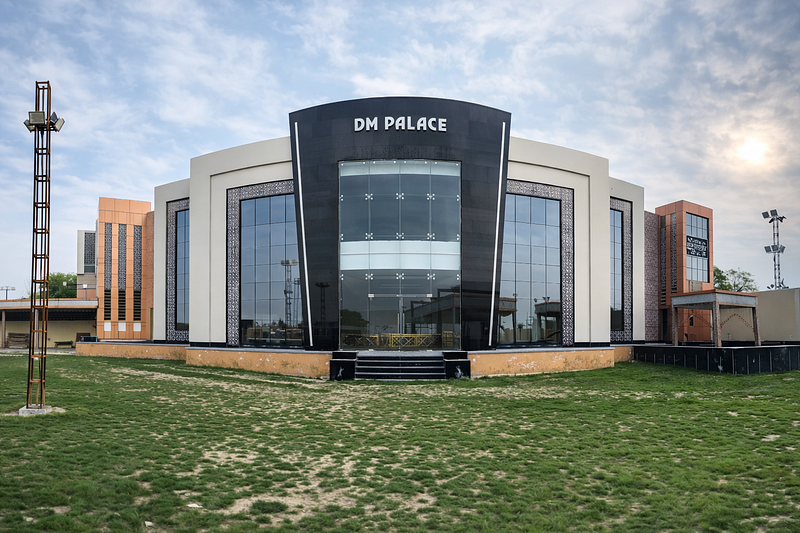
What Is Front Elevation in Architecture?
In architectural design, the front elevation is the complete architectural expression of a building when viewed from the main approach. It defines the proportions, massing, materials, balconies, windows, staircases, shading elements, and facade composition — all working together to create a strong first impression. However, front elevation design is far more than surface aesthetics. It directly influences how a building performs in real conditions.
A well-planned modern front elevation design responds intelligently to sun orientation, heat gain, and natural daylight, helping control indoor temperature and energy consumption. It supports cross-ventilation and airflow, ensuring comfort in residential and commercial buildings alike. The elevation also reflects the structural grid and load distribution, preventing unnecessary construction complexity and excess RCC cost. Additionally, it aligns with interior planning, circulation flow, and staircase placement, ensuring that what looks good outside functions seamlessly inside. Most importantly, a professionally designed elevation respects local building by-laws, setbacks, height regulations, and urban context, avoiding approval issues and future legal complications.
A front elevation designed by an experienced architect near you successfully balances visual appeal, architectural logic, construction feasibility, climate response, and long-term durability. This integrated approach ensures that the elevation not only enhances curb appeal but also adds real performance value to the building throughout its lifespan.
Why Front Elevation Design Is More Than Just Exterior Looks
Many homeowners believe that front elevation design is simply about choosing stone cladding, exterior paint colours, glass panels, or decorative elements. In reality, the front elevation plays a far deeper role in how a building performs, costs, and ages over time. A poorly planned elevation can silently increase construction cost, affect indoor comfort, and create long-term maintenance problems.
A professionally designed modern front elevation directly impacts RCC and steel consumption, facade detailing cost, and execution complexity during construction. It controls natural daylight penetration, reduces unwanted heat gain, and improves indoor comfort — especially important for homes and commercial buildings in Delhi NCR. Elevation design also influences energy efficiency, as shading devices, projections, and facade orientation reduce dependence on air-conditioning and artificial lighting. Additionally, material selection and detailing affect maintenance frequency, weather resistance, and long-term durability. Most importantly, a well-designed front elevation significantly improves property value, rental demand, and resale appeal, making it a smart architectural investment rather than a cosmetic expense.
This is where a professional architect near you becomes essential. An architect ensures that the front elevation is not an expensive showpiece but a well-engineered architectural solution — balanced in aesthetics, structural logic, climate response, construction feasibility, and cost control.
At ArchitectsHive, front elevation design is treated as a core architectural responsibility, not a decorative add-on. Our approach integrates architecture, structural planning, interior layout, climate response, and construction feasibility into a single, well-balanced elevation strategy. We design facades that control construction cost, optimise RCC and steel usage, improve daylight and ventilation, and reduce long-term maintenance — while still delivering a strong visual identity. By combining Architecture in Delhi NCR, Interior Design coordination, and construction-aware detailing, ArchitectsHive ensures that every front elevation is practical, durable, regulation-compliant, and value-driven, creating buildings that look impressive today and perform efficiently for decades.

Why an Architect Is Important for Front Elevation Design
1. Architectural Proportion and Balance
A well-designed front elevation depends on correct architectural proportion, scale, and visual balance — not on random materials or decorative elements. A professional architect understands how height, width, massing, and symmetry work together to create a facade that feels stable, refined, and timeless. Without architectural knowledge, elevations often appear cluttered, top-heavy, or visually disconnected, which negatively impacts both aesthetics and property value.
Through thoughtful front elevation design, an architect carefully balances solid and void, aligns openings with structural grids, and controls facade depth to achieve harmony. This results in a modern elevation that looks elegant today, ages gracefully over time, and enhances the overall architectural identity of the building — whether it’s a residential home, villa, duplex, or commercial property.
2. Structural Coordination Saves Cost
A front elevation is never independent of structure — it is directly connected to columns, beams, slabs, balconies, cantilevers, and staircases. A professional architect ensures that the front elevation design is structurally coordinated from the planning stage, not added as a decorative layer later. When elevations are designed without structural alignment, they often require excessive cantilevers, additional beams, or heavy RCC members, leading to higher steel consumption, increased concrete usage, and avoidable construction expenses.
Through intelligent architectural and structural coordination, an architect aligns facade elements with the column grid, optimises balcony projections, controls cantilever lengths, and integrates staircases logically within the structure. This approach not only prevents structural risks such as cracks and deflection but also significantly reduces RCC and construction cost while delivering a safe, durable, and visually strong modern front elevation.
3. Climate-Responsive Elevation Design
In regions like Delhi NCR, climate-responsive design is a critical part of front elevation architecture, not an optional feature. A skilled architect studies sun movement, wind direction, and heat exposure before finalising the elevation. Through the strategic use of sun-shading devices, jaali screens, balconies, fins, overhangs, and recessed windows, the front facade is designed to control harsh sunlight while encouraging natural airflow.
Thoughtful window placement and elevation depth help reduce direct heat gain, improve cross-ventilation, and maintain thermal comfort throughout the year. This climate-responsive front elevation design directly lowers dependence on air-conditioning, reduces electricity bills, and enhances indoor living comfort. By integrating climate intelligence into the facade, architects ensure that the building performs efficiently in Delhi NCR’s extreme summers while remaining visually elegant and energy-efficient for the long term.
4. Material Selection with Life-Cycle Thinking
Architects never choose front elevation materials based on appearance alone. Every material decision is guided by architectural performance, climate response, durability, and long-term cost efficiency. A professional architect evaluates how materials behave in the local climate, how they age over time, and how much maintenance they will require in real-life conditions — especially in regions like Delhi NCR, where heat, dust, pollution, and monsoons affect building exteriors.
By assessing factors such as water resistance, thermal performance, structural compatibility, and budget optimisation, architects prevent common issues like frequent repainting, cladding detachment, surface cracks, seepage, and long-term leakage. Thoughtful material selection in front elevation design ensures a facade that remains strong, low-maintenance, and visually appealing for years, protecting both construction investment and property value while delivering a sustainable and cost-effective architectural solution.
5. By-Laws, Setbacks, and Approval Compliance
Every city operates under development control regulations and building byelaws, and front elevation design must strictly comply with these legal frameworks. Professional architects ensure that the elevation aligns with height restrictions, balcony and projection limits, fire safety norms, setback rules, and local authority guidelines applicable in regions such as Delhi NCR and other urban zones.
By integrating statutory compliance into the architectural design stage itself, architects help avoid legal complications, approval rejections, penalties, and construction delays. A regulation-compliant front elevation not only ensures smooth sanctioning from local bodies but also protects the property owner from future disputes. This is why engaging an experienced architect near you is essential for front elevation design that is not only visually striking but also legally sound, approval-ready, and future-secure.
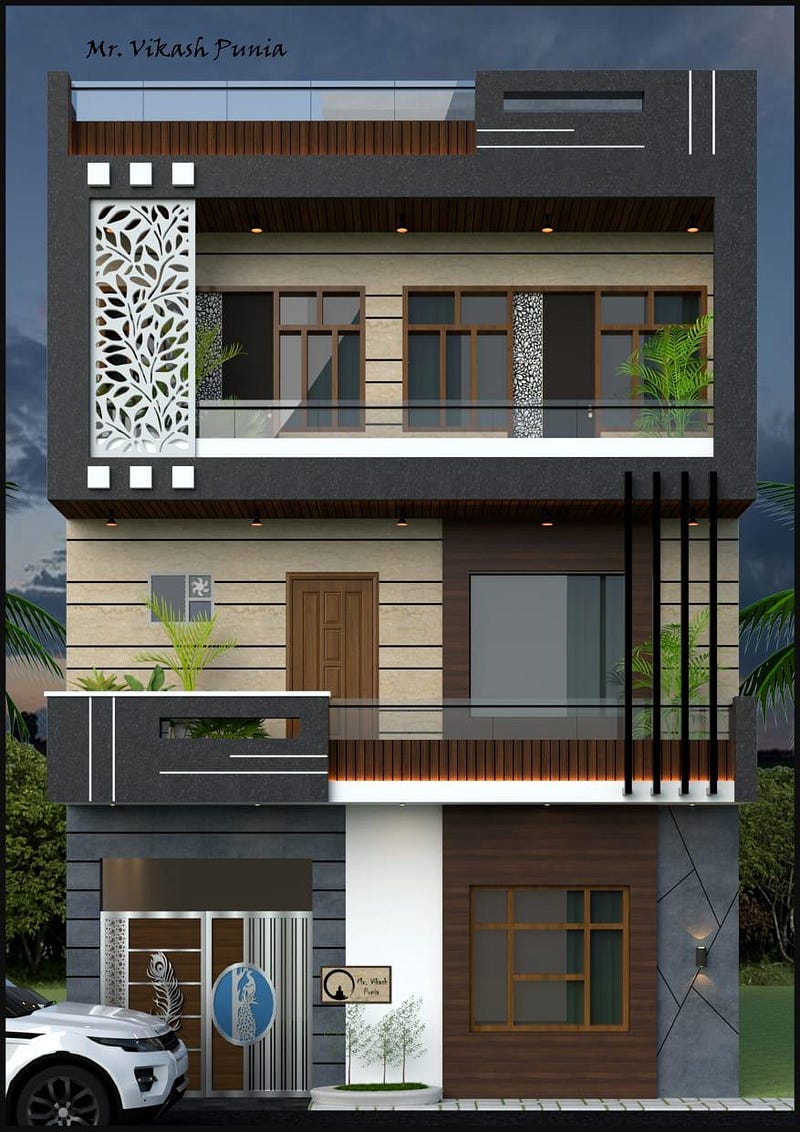
Types of Front Elevation Styles an Architect Designs
A professional architect never treats front elevation design as a one-size-fits-all solution. Every elevation is custom designed based on critical factors such as plot size, road width, location, building use, budget, and the client’s lifestyle or business needs. This is what separates true architectural design from copied facade images.
Different projects demand different architectural logic and detailing. For example, a modern front elevation design focuses on clean lines, balanced proportions, and minimal finishes to achieve a timeless look. A contemporary elevation design uses layered textures, mixed materials, and depth to create visual interest. Luxury villa front elevations require symmetry, scale, premium materials, and carefully controlled lighting to reflect exclusivity and status. A simple house front elevation is planned with cost efficiency, functional projections, and low-maintenance materials, while a commercial building elevation design prioritises branding, visibility, glazing, and street presence to support business performance.
Each of these elevation styles involves different structural coordination, material selection, shading strategies, and construction techniques. At no stage is a design copied or applied blindly. An experienced architect near you ensures that the front elevation is context-sensitive, regulation-compliant, climate-responsive, and aligned with long-term usability — delivering architecture that looks right, works efficiently, and holds value over time.
Common Mistakes When Front Elevation Is Designed Without an Architect
Poorly planned front elevation design often leads to avoidable design and construction problems that increase cost without adding real value. Common mistakes include the overuse of expensive facade materials without structural or architectural logic, which raises construction cost but fails to improve performance. Incorrect window placement can cause excessive heat gain, glare, and poor ventilation — directly affecting indoor comfort and energy efficiency. Heavy or poorly calculated cantilevers and projections often result in structural cracks, leakage, and long-term maintenance issues.
Another frequent issue is copy-paste elevation designs taken from internet images without checking site conditions, by-laws, climate response, or construction feasibility. Such designs may look attractive on screen but often fail on site, leading to costly redesigns and execution delays. All of these mistakes increase RCC consumption, labour cost, and future repair expenses without offering any functional benefit.
A professional architect near you identifies and resolves these issues at the design stage itself. Through proper architectural planning, structural coordination, material selection, and climate-responsive design, an architect ensures the front elevation is not just visually appealing but also safe, efficient, durable, and cost-effective. This is how good architecture protects your investment while delivering long-term value.
How ArchitectsHive Designs Better Front Elevations
At ArchitectsHive, front elevation design is approached as a fundamental architectural strategy, not as superficial decoration applied at the end of construction. We believe a well-designed elevation must work structurally, climatically, and functionally — while also enhancing the building’s identity and long-term value.
Our process begins with early elevation planning at the architectural layout stage, ensuring the facade aligns with room planning, structural grids, and staircase positioning. We carefully coordinate the front elevation with RCC structure, balconies, and staircases, avoiding overhang failures, cracks, and unnecessary construction cost. Climate-responsive design plays a key role in every project, where shading devices, jaali screens, projections, and ventilation planning are used to reduce heat gain and improve indoor comfort — especially important for homes and buildings in Delhi NCR.
Material selection is handled with a cost-controlled, life-cycle-based approach, focusing on durability, maintenance, and local climate suitability rather than short-term visual appeal. The elevation is also seamlessly integrated with interior design flow, ensuring window placement, ceiling heights, and daylight work together across inside and outside spaces. Before construction begins, we provide detailed 3D front elevation visualisation, helping clients clearly understand proportions, finishes, and final appearance — eliminating guesswork and costly site changes.
This holistic architectural approach allows ArchitectsHive to deliver modern front elevation designs that are visually striking, structurally sound, energy-efficient, and fully buildable — creating facades that perform beautifully today and remain reliable for decades.
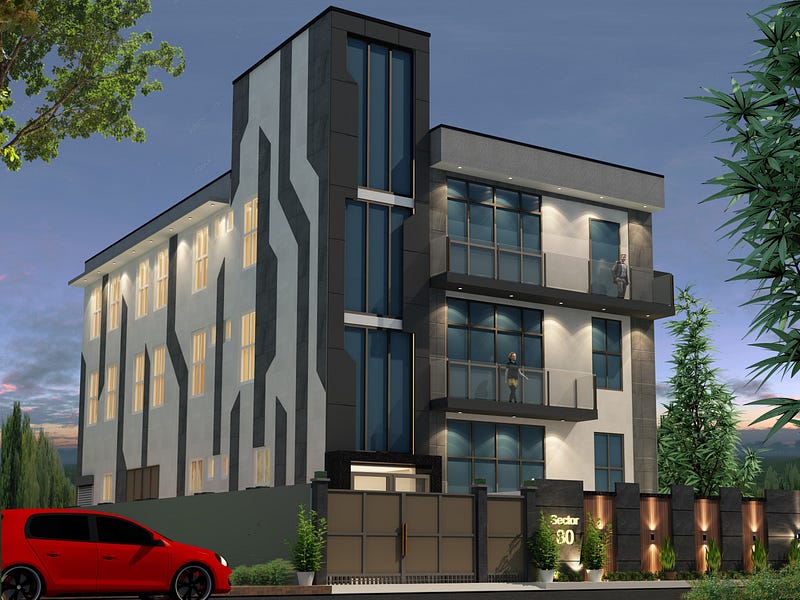
Front Elevation Adds Long-Term Property Value
A professionally designed front elevation delivers far more than visual appeal — it becomes a long-term asset for the building. When planned by an experienced architect, the elevation enhances property resale value and rental potential by creating a strong, lasting first impression. Thoughtful architectural proportions, material selection, and climate-responsive detailing ensure the facade remains relevant and attractive even as design trends change, allowing the building to age gracefully over time.
Unlike decorative, surface-level designs, architectural elevations are engineered for durability. This reduces frequent repainting, cladding failures, water seepage, and repair costs, resulting in significantly lower long-term maintenance expenses. For commercial projects, a well-designed front elevation also strengthens brand identity and visibility, helping offices, showrooms, hotels, and retail buildings project professionalism and trust.
In the long run, good architecture always outperforms cosmetic design. A front elevation rooted in architectural logic not only looks better — it performs better, but costs also less to maintain, and adds measurable value throughout the building’s life cycle.
Conclusion: Front Elevation Is Architecture, Not Decoration
A front elevation is not merely the outer face of a building — it is the architectural identity that brings together structure, interior planning, climate response, and everyday lifestyle into one cohesive design. A poorly planned elevation often results in unnecessary construction cost, excessive RCC usage, heat gain, ventilation issues, and frequent maintenance, while a professionally designed architectural elevation enhances comfort, durability, energy efficiency, and long-term property value.
When planned by an experienced architect near you, front elevation design becomes a strategic process rather than surface decoration. At ArchitectsHive, we integrate architecture, interior design, and construction planning to deliver modern front elevation designs in Delhi NCR that are visually striking, structurally coordinated, and compliant with local by-laws. Whether it’s a residential house elevation, luxury villa facade, duplex front design, or commercial building elevation, our solutions are intelligent, buildable, and future-ready.
Architecture in Delhi NCR | Interior Design Services in Delhi NCR | Construction Solutions in Delhi NCR
At ArchitectsHive, we design front elevations that go beyond visual appeal — each facade is architecturally planned, structurally coordinated, and climate-responsive, ensuring efficient performance, low maintenance, and lasting value. Our elevation designs are crafted to age gracefully, enhance property value, and deliver long-term reliability, not just short-term aesthetics.
#BestArchitectureInDelhiNCR #BestArchitecturecompanyinNoida #BestArchitectureIngurugram #BestArchitectureInfaridabad #ResidentialArchitectureInDelhiNCR #ResidentialArchitectureinNoida #ResidentialArchitectureingurugram #ResidentialArchitectureinfaridabad #ResidentialArchitectureindelhi #ArchitectureInDelhiNCR #ArchitectureFirmInDelhiNCR #ArchitectureFirmInNoida #ArchitectureFirmIngurugram #ArchitectureFirmInFaridabad #ArchitectureFirmindelhi #ElevatingExcellenceInArchitecture #ArchitectsHive #Architect #Architectinnoida #Architectingurugram #expertArchitectsinfaridabad #bestArchitectsindelhi #modernArchitectureDesign #Architecture #top10ArchitecturecompanyinNoida #Architectureinfaridabad #bestArchitecturaldesignsingurugram #ArchitectureFirm #frontelevation #exteriordesign #Construction #ConstructionfirminNoida #Constructioncompanyinfaridabad #Constructioningurugram #BuildingConstruction #Interior #modernInteriorDesign #InteriorDesigner #InteriorDesignerinNoida #InteriorDesignerindelhiNCR #InteriorDesignerinfaridabad #modularkitchendesigns #Bedroominterior #livingroominterior #InteriorDecorator #HomeDecor #HomeRenovation #luxurylifestyle #Homeinterior #EastDelhi #WestDelhi #NorthDelhi #SouthDelhi #Delhi #DelhiNCR

Comments
Post a Comment